
University of Wisconsin Veterinary Care
CRRT, Charcoal Perfusion, Plasmapheresis, Peritoneal Dialysis, IHD, PIRRT
Clinic Information
515 Easterday Lane
Madison, WI 53716 USA
2025
608-263-7600
Our Extracorporeal Therapy team is composed of diplomates board-certified in nephrology/urology, small animal internal medicine, and emergency/critical care, who have also completed advanced training through the Dialysis Academy.
Team Members
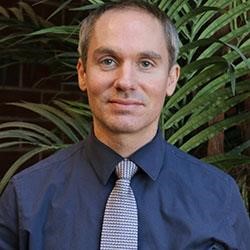
Michael Wood
Clinician/Faculty
DVM, PhD, DACVIM (SAIM), DACVNU
Nephrology/Urology
Dr. Wood is a Clinical Associate Professor of Small Animal Internal Medicine with clinical and research interests focused in nephrology and urology. His research centers on the mucosal response of the lower urinary tract to bacterial infection, with particular emphasis on the anti-inflammatory and barrier-restoring effects of interleukin-6 and glycosaminoglycans. He is especially interested in non-antibiotic alternative therapies aimed at repairing urothelial defects, preventing infection, and improving the management of bacteriuria in veterinary patients. His work also examines risk factors for bacteriuria as well as biomarkers associated with both asymptomatic and clinical bacteriuric patients. Dr. Wood has contributed extensively to the field through research exploring enterococcal bacteriuria, urinary biomarkers, and glycosaminoglycan therapies in dogs. His recent publications include studies in the American Journal of Veterinary Research and the Journal of Veterinary Internal Medicine, where he has investigated urinary interleukin-6 and fibrinogen concentrations, risk factors for enterococcal bacteriuria, and the effects of chondroitin sulfate and polysulfated glycosaminoglycan therapies on urinary health in canine patients.
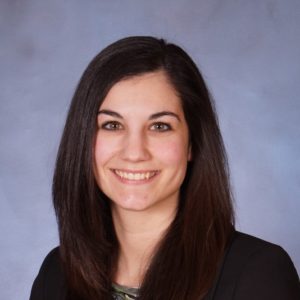
Molly Racette
Clinician
DVM, MS, DACVECC
Dr. Molly Racette is a Clinical Assistant Professor in Emergency and Critical Care and became a Diplomate of the American College of Veterinary Emergency and Critical Care in 2020. She completed her residency in Small Animal Emergency and Critical Care at the University of Minnesota College of Veterinary Medicine from 2017–2020 following an Emergency and Critical Care Specialty Internship at the same institution from 2016–2017. Prior to this, she completed a Small Animal Rotating Internship at the University of Pennsylvania from 2015–2016. Dr. Racette earned her Doctor of Veterinary Medicine degree from the University of Minnesota College of Veterinary Medicine in 2015, a Master of Science in Comparative Biomedical Sciences from University of Wisconsin–Madison in 2014, and a Bachelor of Science in Veterinary Science from the University of Minnesota in 2011. Dr. Racette’s clinical interests include dystocia management, newborn resuscitation and neonatal care, toxicology, and the use of intralipid and extracorporeal therapies for intoxications. She also has a strong interest in urologic emergencies, including urethral obstruction, ureteral obstruction, and uroabdomen management, as well as trauma care with an emphasis on acute traumatic coagulopathy and blood product resuscitation. Her recent scholarly work includes publications on neonatal and pediatric critical care, genetic causes of hyperfibrinolysis in dogs, neonatal kitten resuscitation following maternal cardiopulmonary arrest, atypical anticoagulant rodenticide toxicosis, and advanced management of urinary bladder clots in feline patients.
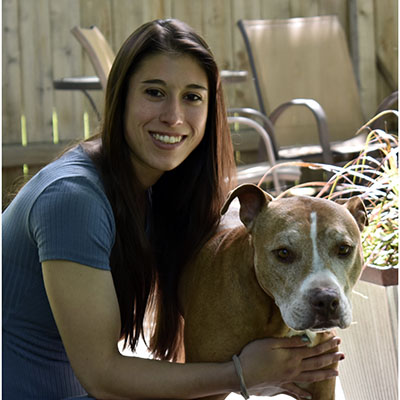
Samantha Bilko
Clinician
DVM, DACVECC
Dr. Samantha Bilko earned her Doctor of Veterinary Medicine degree from Oklahoma State University Center for Veterinary Health Sciences in 2016 after completing her Bachelor of Science in Animal Science at Oklahoma State University in 2012. She went on to complete a Small Animal Rotating Internship in 2017, an Emergency and Critical Care Specialty Internship in 2018, and an Emergency and Critical Care Residency in 2021 at the University of Minnesota College of Veterinary Medicine. Dr. Bilko’s clinical interests center on all aspects of emergency and critical care medicine, with particular passion for gastrointestinal disease and ileus, polytrauma, multimodal pain management, coagulation abnormalities, and toxin exposures.
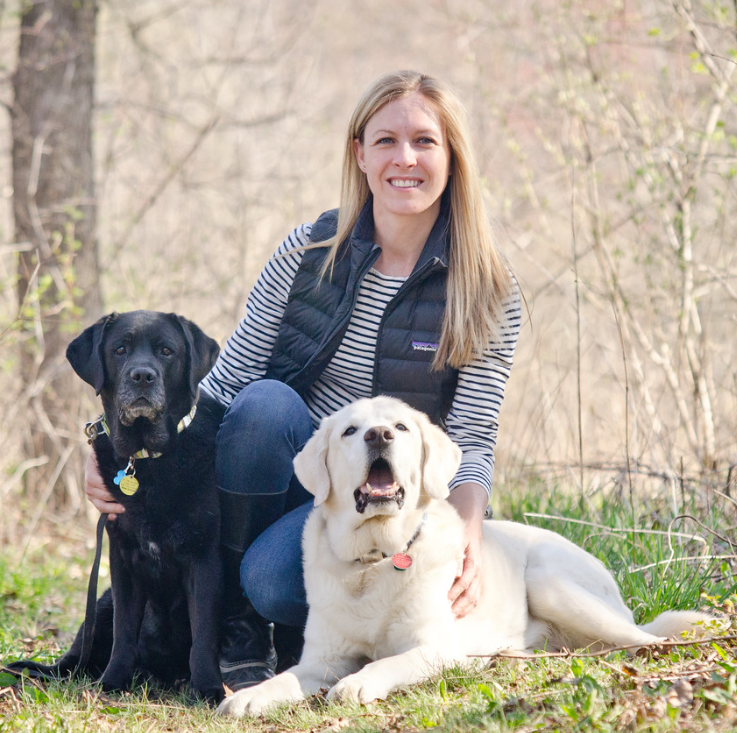
Jessica Pritchard
Clinician
VMD, MS, DACVIM (SAIM)
Dr. Jessica Pritchard earned her VMD from the University of Pennsylvania after completing her Bachelor of Science degree at Wake Forest University. She completed a rotating internship at North Carolina State University in 2012, followed by a residency in Small Animal Internal Medicine in 2015. That same year, she became a board-certified Diplomate of the American College of Veterinary Internal Medicine in Small Animal Internal Medicine. She also earned a Master of Science in Comparative Biomedical Sciences from North Carolina State University in 2017. Dr. Pritchard’s research focuses on infectious diseases of dogs and cats, with particular interests in blastomycosis, leptospirosis, and vaccine hesitancy among pet owners. Her work is dedicated to improving the diagnosis, treatment, and prevention of infectious diseases to advance both patient outcomes and public health. At UW Veterinary Care, Dr. Pritchard provides clinical service in Small Animal Internal Medicine while also teaching and mentoring veterinary students, interns, and residents. Alongside Dr. Julie Walker, she co-directs the Small Animal Rotating Internship program. She also serves as Director of Clinical Assessment, helping ensure veterinary graduates are equipped with the clinical skills needed for successful careers. Clinically, Dr. Pritchard enjoys all aspects of small animal internal medicine and has a special interest in interventional radiology, including minimally invasive procedures such as stent placement and laser resection. She is equally passionate about veterinary education and is committed to developing innovative teaching methods that prepare future veterinarians for excellence in both clinical practice and lifelong learning. Her recent publications have explored topics including the canine gut microbiome, Brucella Canis infection in dogs with discospondylitis, veterinary procedural training models, and gastrointestinal biomarker responses in dogs with chronic GI disease. A full list of her publications can be found through her ORCID profile.

Nicole Deram
Nurse
CVT
Intrests: Critical Care, Toxicology and Nephrology
Nicole (Niki) Deram is a highly experienced Certified Veterinary Technician (CVT) with more than 20 years in veterinary medicine, specializing in emergency and critical care nursing. Currently serving as a full-time ECC and Critical Care Unit Nurse at the University of Wisconsin Veterinary Care, Nicole works alongside faculty, residents, interns, and students to provide advanced patient care for critically ill and emergency patients. Her expertise includes advanced catheter placement, transfusion therapy, anesthesia monitoring, critical patient management and emergency triage. Nicole earned her Associate’s Degree in Animal Science/Veterinary Technician Program from Madison College in 2005, where she received special recognition in animal care. She is Recover CPR Certified, an active member of VECCS since 2018, and is enrolling into the Dialysis Academy this year, demonstrating her ongoing dedication to advancing her skills in nephrology.